
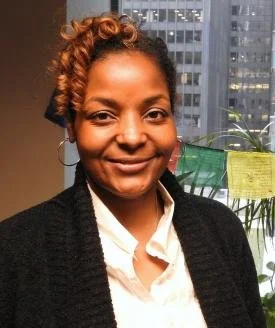
Princess Harris
One Earth (OE): What are the most pressing global challenges you’re currently focused on, and how do they connect to local communities like Chicago?
Princess Harris(PH): The most pressing global challenges I’m focused on are climate change, environmental justice, biodiversity loss, and food insecurity—and all of these are deeply connected to communities right here in Chicago.
Climate change is not just a global issue—it shows up locally through extreme heat, flooding, and shifting seasons along Lake Michigan. Environmental justice is central, because the impacts of pollution and climate stress are not felt equally—many frontline communities in Chicago experience higher exposure to poor air quality, limited green space, and fewer resources to adapt.
At the same time, biodiversity loss affects our local ecosystems, from pollinators like monarch butterflies to native plants that support healthy soil and water systems. And food insecurity continues to impact families across the city, making access to fresh, culturally relevant food a critical need.
What connects all of this is community. In Chicago, we can respond through local action—community gardens, stewardship of natural spaces, education, and partnerships that center the voices and leadership of residents. When we invest in local solutions, we’re not just addressing global challenges—we’re building resilience, equity, and sustainability right where we live.
(OE): How does your organization help Chicago residents engage with global issues like climate change, human rights, and sustainability?
(PH): At Faith in Place, we help residents in Chicago connect global issues like climate change, human rights, and sustainability to their everyday lives through community-based programs, education, and hands-on engagement.
We translate global challenges into local action. Through community gardens and garden classes, we address food insecurity and sustainability by teaching people how to grow their own food, care for the land, and build food sovereignty. Our Migration & Me program connects human migration stories—including the Great Migration—with the migration of species like monarch butterflies, helping participants understand climate change, displacement, and resilience on both a human and ecological level.
We also create opportunities for residents to directly engage with nature through stewardship days, nature outings, and events like Double Dutch Fest—spaces where people can build relationships with the environment while learning how to protect it. This work is grounded in environmental justice, ensuring that communities most impacted by climate and inequity are centered, heard, and equipped with tools to advocate for themselves.
Ultimately, we help people see that global issues are not distant—they are happening right here. And more importantly, we show that everyone has a role to play in creating a healthier, more just, and sustainable future.
(OE): If you could leave Chicago residents with one message this Earth Day, what would it be?
(PH): The care we show to our environment is the care we show to each other.
Here in Chicago, every small action—planting a seed, protecting a tree, showing up for a cleanup, or simply spending time in nature—connects us to something much larger. You don’t have to do everything—but you do have to do something. Care for the land in front of you. Listen to your community. Stay connected to the natural world.
Because when we take care of the Earth, we are also taking care of ourselves, our neighbors, and the generations that will come after us.
