
Our online lives leave invisible footprints. Every email, photo upload, and streamed episode consumes electricity somewhere in a server farm — electricity often generated by fossil fuels. The good news? You can shrink your digital carbon footprint without giving up technology. By making mindful changes at home and at work, you’ll use devices, data, and energy more efficiently.
The Quiet Climate Impact of Your Digital Life—and How to Shrink It
Digital habits feel invisible, but they carry real environmental weight. Every streamed video, stored file, and unused device quietly draws energy from data centers, power grids, and manufacturing supply chains. The good news is that small, deliberate changes at home and at work can measurably reduce your carbon footprint without sacrificing convenience or productivity. What follows is a practical path from awareness to action.
Our Children’s Trust: Reframing the “Right to Life”
I recently attended the year-end wrap-up webinar from Our Children’s Trust (OCT), and there’s a lot going on! For those who don’t know, OCT is a nonprofit public interest law firm in Eugene, Oregon, dedicated to securing a healthy atmosphere and safe climate for young people.
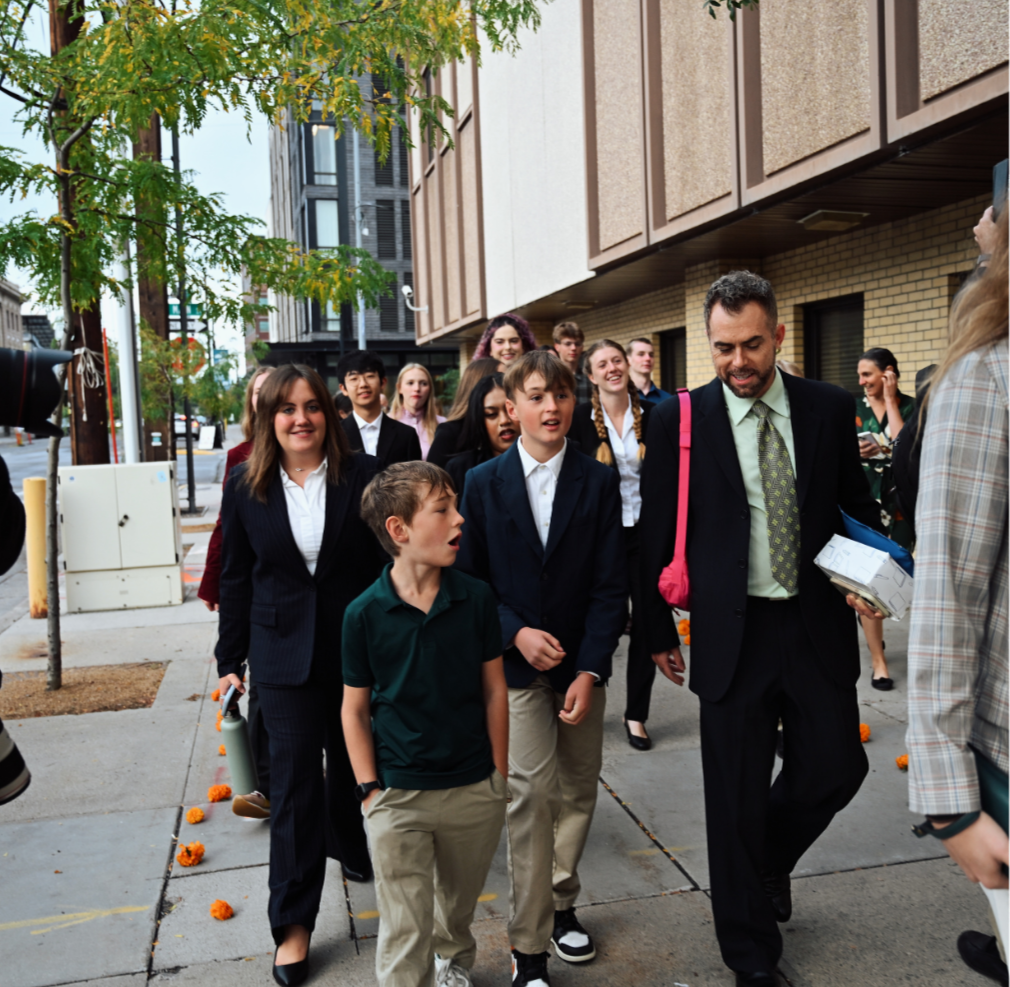
Their federal, state, and international lawsuits push governmental bodies to recognize environmental harms, especially as they affect the health and lives of young people. Every case, win or lose, strengthens the next, empowering the young people who have stepped up to be plaintiffs and building a body of testimony from those plaintiffs and expert witnesses, including public health professionals and climate scientists. An overarching goal of OCT cases is to clarify the government’s constitutional obligation to protect the environment, thereby ensuring the right to life—yes, right to life (and to liberty and the pursuit of happiness)--of our earth’s young people.
Local Activism, Global Impact: How Communities Can Drive Climate Action
Climate change can feel like an overwhelming, global challenge—but meaningful progress often begins at the community level. Across neighborhoods and cities, local activists are designing smarter, more connected approaches to environmental action. Today, digital collaboration tools, like those offered by Adobe, make it easier than ever for community leaders to coordinate, document impact, and share their results globally.
Closing a Window Won’t Save You From a Storm
I like to sleep with my windows open, which unfortunately means that if there’s a storm at night, I wake up to puddles by my bedside. The breeze and fresh air feel worth the occasional water damage, but this summer, the storms in Chicago reached an intensity that made me reconsider my preference for a ventilated sleep environment.
Spring into Fall: Three Climate Actions for September
On May 29, 2025, the lawyers at Our Children’s Trust (OCT) filed Lighthiser v. Trump, on behalf of 22 youth from Montana, Oregon, Hawai‘i, California, and Florida, asserting their constitutional rights to life, health, and safety. This youth-led constitutional rights lawsuit challenges three of the Trump administration’s recent Executive Orders, each of which has the capacity to intensify the climate crisis and worsen the youth plaintiffs’ climate-related health injuries.