
Austin Grown Cultivates Green Leadership

Austin Grown Cultivates Green Leadership

Austin Grown is a partnership between BUILD Chicago, One Earth Collective, and After School Matters. Austin Grown teaches an annual summer youth cohort to plant and maintain an urban farm while also educating about healthy food systems, food justice, restorative environmental justice, green entrepreneurship and community-building. All youth earn a stipend while they work and while they learn. The urban farm even houses a flock of 9 chickens and uses solar panels to generate electricity! The youth took part in virtual speaker sessions, chef demos, healthy food tastings, and an eye-opening field trip to Chicago Eco House this summer.
Reversing Environmental Rollbacks

Reversing Environmental Rollbacks

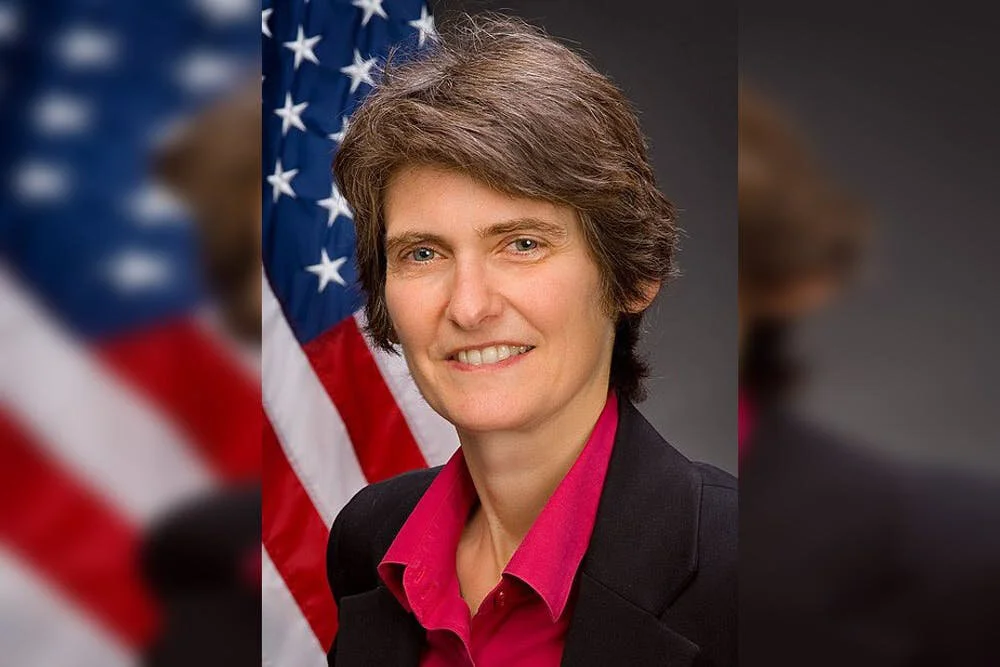
In November 2017, I participated in a panel discussion on climate change policy in Indianapolis, headlined by a then-former Environmental Protection Agency (EPA) assistant administrator named Janet McCabe. She had left EPA at the beginning of the Trump administration and taken a post as director of the Environmental Resilience Institute at Indiana University. When asked what could be done to thwart the administration in its effort to roll back environmental protections, Ms. McCabe offered some ironic assurance.

The Circular Economy: Part 3

The Circular Economy: Part 3

Green Era’s current project is a great model of the circular economy because it involves diverting inedible food waste from landfills and, via a process called anaerobic digestion, producing clean, renewable energy as well as nutrient-rich soil, which will then be used to expand fresh local food production. All this will occur on a vacant, brownfield site in South Chicago, in an area with an urgent need for cleanup and economic development.

In August 2020, after a yearlong competition, Green Era, part of the Always Growing Auburn Gresham team, won the $10 million Chicago Prize to develop their vision of a healthy lifestyle hub and renewable energy and urban farming campus. In addition, Gov. J.B. Pritzker announced a $2 million investment from the state’s Rebuild Illinois program to fill the final funding gap for the Green Era Renewable Energy & Urban Farming Campus.

First Virtual Movie Club Night A Great Success

First Virtual Movie Club Night A Great Success

The first-ever Virtual Movie Club Night kicked off on July 15 with a discussion of the documentary “The Ants and the Grasshopper,” directed by Raj Patel and Zac Piper. Exclusively for One Earth Collective Members (membership starts at $25 annually), the Virtual Movie Club will meet regularly to analyze environmental films, provide like-minded community, and promote change. New members are welcome to join at any time.

Tips from the Tomato Lady: How to Grow the Tastiest Tomatoes

Tips from the Tomato Lady: How to Grow the Tastiest Tomatoes

Q: Any special tips for growing those lovely tomatoes, especially in this hot, dry weather we’ve been having?

A: First, plant deep, to get more root growth. Overall, tomatoes are annuals, so they’re ready to go; they know it’s this year or nothing, so you don’t need to snip their roots or take them out of the peat pots. Just plant them deep. All those little hairs on the stem that you can see will become roots once they are set underground, so it’s a great way to give your plants an amazing head start.

The Circular Economy: Part 2

The Circular Economy: Part 2

Q: And you’d like to see this [circular economic] model applied on both a local and a global level?

A: Yes. Rheaply’s vision is to make the world’s resources visible, easily transferable, and more valuable in our global economy. Closer to home, the Circular Chicago Coalition is bringing together 16 partners, including Rheaply and Plant Chicago, with the intention of seeding a circular city on the south and west sides, asking communities of color what they want rather than prescribing solutions. So we are looking at the city of Chicago and asking how we can eliminate waste within an urban environment, how we can transform the city into an efficient resource-sharing hub. For example, how do we connect nonprofits to larger companies, thereby creating loops for assets?