Community Spotlight: Interview with Princess Harris, Sustainable Food & Land Use Senior Coordinator, Faith in Place

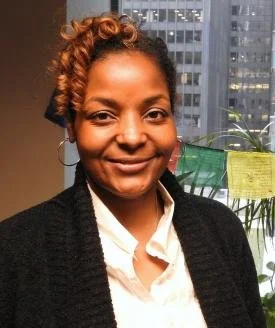
Princess Harris

One Earth (OE): What are the most pressing global challenges you’re currently focused on, and how do they connect to local communities like Chicago?

Princess Harris(PH): The most pressing global challenges I’m focused on are climate change, environmental justice, biodiversity loss, and food insecurity—and all of these are deeply connected to communities right here in Chicago.

Climate change is not just a global issue—it shows up locally through extreme heat, flooding, and shifting seasons along Lake Michigan. Environmental justice is central, because the impacts of pollution and climate stress are not felt equally—many frontline communities in Chicago experience higher exposure to poor air quality, limited green space, and fewer resources to adapt.

At the same time, biodiversity loss affects our local ecosystems, from pollinators like monarch butterflies to native plants that support healthy soil and water systems. And food insecurity continues to impact families across the city, making access to fresh, culturally relevant food a critical need.

What connects all of this is community. In Chicago, we can respond through local action—community gardens, stewardship of natural spaces, education, and partnerships that center the voices and leadership of residents. When we invest in local solutions, we’re not just addressing global challenges—we’re building resilience, equity, and sustainability right where we live.

(OE): How does your organization help Chicago residents engage with global issues like climate change, human rights, and sustainability?

(PH): At Faith in Place, we help residents in Chicago connect global issues like climate change, human rights, and sustainability to their everyday lives through community-based programs, education, and hands-on engagement.

We translate global challenges into local action. Through community gardens and garden classes, we address food insecurity and sustainability by teaching people how to grow their own food, care for the land, and build food sovereignty. Our Migration & Me program connects human migration stories—including the Great Migration—with the migration of species like monarch butterflies, helping participants understand climate change, displacement, and resilience on both a human and ecological level.

We also create opportunities for residents to directly engage with nature through stewardship days, nature outings, and events like Double Dutch Fest—spaces where people can build relationships with the environment while learning how to protect it. This work is grounded in environmental justice, ensuring that communities most impacted by climate and inequity are centered, heard, and equipped with tools to advocate for themselves.

Ultimately, we help people see that global issues are not distant—they are happening right here. And more importantly, we show that everyone has a role to play in creating a healthier, more just, and sustainable future.

(OE): If you could leave Chicago residents with one message this Earth Day, what would it be?

(PH): The care we show to our environment is the care we show to each other.

Here in Chicago, every small action—planting a seed, protecting a tree, showing up for a cleanup, or simply spending time in nature—connects us to something much larger. You don’t have to do everything—but you do have to do something. Care for the land in front of you. Listen to your community. Stay connected to the natural world.

Because when we take care of the Earth, we are also taking care of ourselves, our neighbors, and the generations that will come after us.
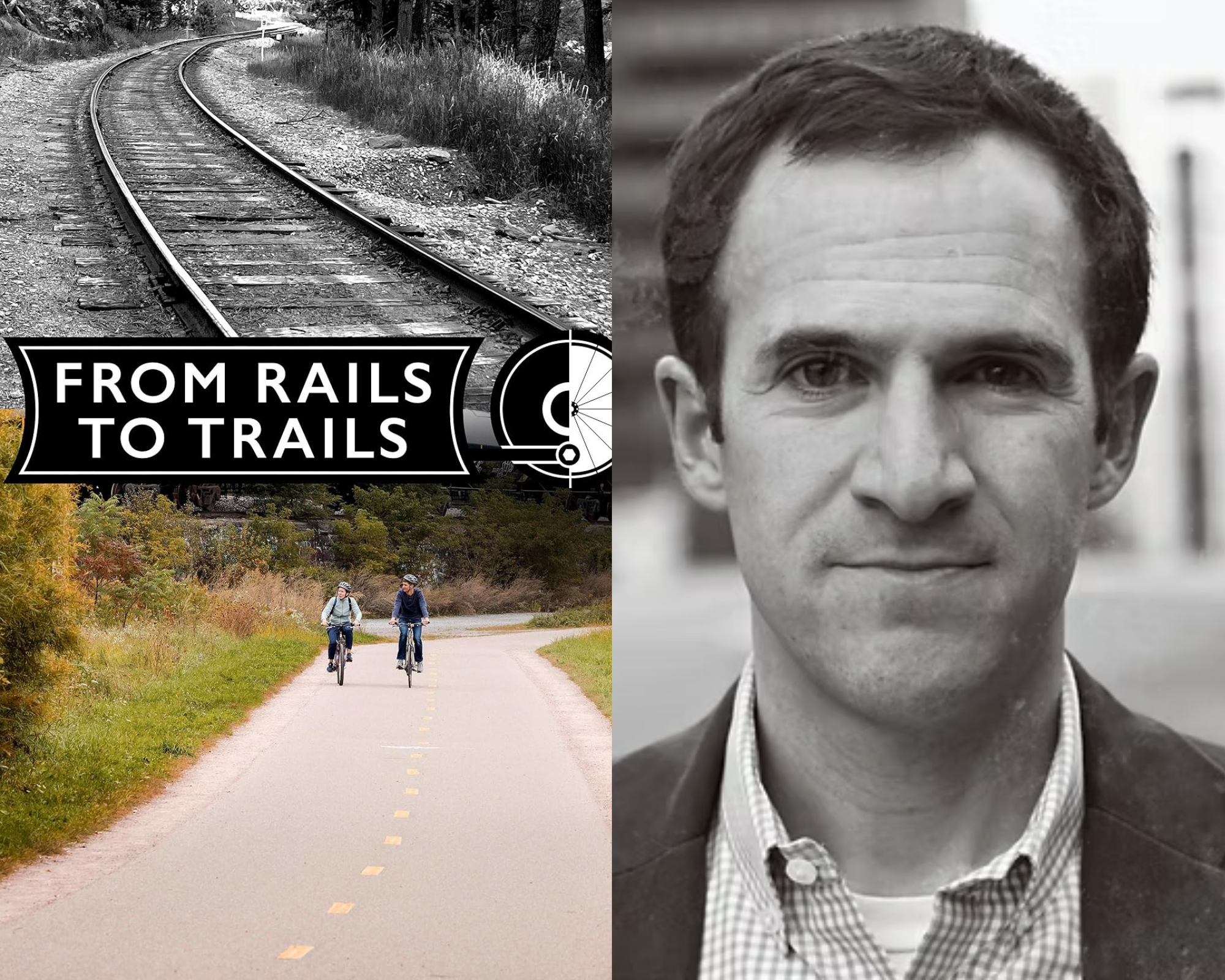
Film Spotlight: Interview with Dan Protess, Director of From Rails to Trails

What happens when the tracks that once divided us start bringing us together?

From Rails to Trails explore how everyday spaces can become catalysts for environmental and social change.


One Earth (OE): Rails to Trails shows how old infrastructure can become new community spaces. What drew you to this story?


Dan Protess(DP): I was approached by Peter Harnik a few years ago about the idea of making a documentary—Peter is the co-founder of the Rails to Trails Conservancy and the author of a book about the history of the movement to transform abandoned railroads into trails. What he did not know when he brought the idea to me is that I am a daily rail-trail user. I run every day on the 606, which is near my home, and so I am well aware of what an asset rail-trails can be for our communities. But before committing to the project, I had to sit down with Peter’s book and get a sense of whether there was an engaging story there. I realized that these trails all owe their existence to hard-fought political battles over the past 50 years. And of course, battles and conflicts often make for good stories. 


OE: How do trails help reconnect people with nature and each other?


DP: One of my favorite stories in the film is about May Watts, a naturalist from suburban Chicago who sparked the entire movement back in the early 1960s. She had traveled to England and was struck by the ancient footpaths there—the way they were open to everyone, young and old, rich and poor. She came home and saw a long-abandoned rail corridor cutting through the sprawl west of Chicago, and realized that the native prairie plants were actually thriving there, undisturbed. Her insight was simple but radical: you shouldn't have to travel to get to nature—nature could be right outside your door. We illustrated the same idea with a story in Brownsville, Texas, where the community fought against a proposed toll road, and insisted on building a trail there instead.  One of the organizers rode her bike along the finished trail and described hearing the birds, seeing the water, watching kids play, and contrasted it with a toll road, where she said, "you'd be driving fast and you'd miss all of that."


OE: What role can green infrastructure play in building healthier communities?


DP: The story that really drove this home for me was Atlanta's Beltline—a 22-mile trail built on an old railroad loop encircling the city. It was the brainchild of a graduate student named Ryan Gravel, who wanted to make Atlantans less dependent on cars. His vision was to connect people to housing, retail, and parks, which they could access on foot, on a bicycle, or on transit. Brownsville is one of the most economically challenged cities in Texas, with diabetes rates among the highest in the country, and building a trail there instead of a toll road was a genuine public health intervention for a community that needed it. Pete Buttigieg, who we interviewed for the film, described the movement as "the beginning of a course correction"—but also noted that there's still a long way to go. That tension is something I find really compelling: 26,000 miles of rail-trails is an extraordinary achievement, and yet it barely scratches the surface of what's possible.

Film Spotlight: Interview with Sarah Keo, Co-Director of Chasing Time

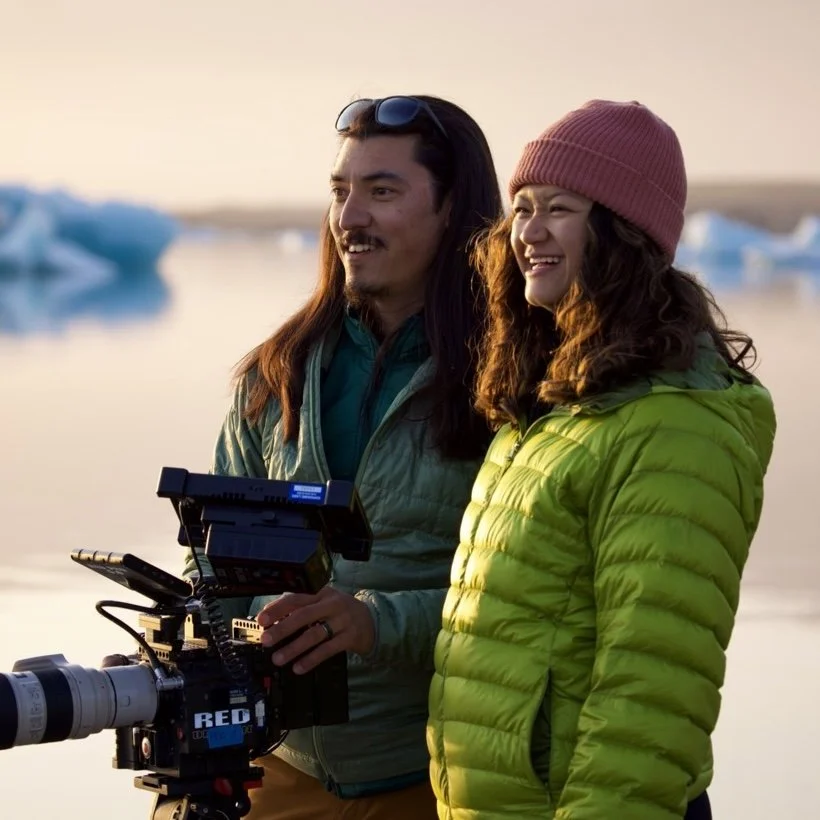
Co-Directors of Chasing Time (pictured above) are Sarah Keo and Jeff Orlowski

Chasing Time captures the urgency behind the science, following communities and experts racing against the clock to protect a livable future. 

One Earth (OE): Your film deals with the urgency of the climate crisis. Why is this story particularly important now?

Sarah Keo (SK): When Chasing Ice was first released, James Balog and the Extreme Ice Survey set out to prove that climate change was real through visual evidence of a changing planet. Fifteen years later, we made Chasing Time not to prove that climate change exists, but to confront how urgently we need to act.

As James says at the beginning of the film, climate change is no longer distant or abstract. It’s already shaping people’s lives, decisions, and futures in very real ways.

Chasing Time is less about sounding the alarm and more about asking what we do with the time we still have. It’s about the human side of that equation: how we process urgency, how we show up for one another, and how we move from awareness to meaningful action.

OE: What did you learn about the pace of environmental change while making the film?

SK: The first time we saw the time-lapse sequences come together, we were struck by just how drastic the changes to these landscapes were. Chasing Ice captured three years of photography, while Chasing Time spans over fifteen years. Watching these majestic glaciers—these living, breathing creatures—disappear over that timeframe was deeply unsettling.

We wanted to elevate this unprecedented visual record to help people understand that glacier melt is not only accelerating, but in many cases happening faster than previously predicted.

Although the film focuses on Iceland, what’s happening there is a microcosm of a global system. Our ecosystems are deeply interconnected. Glacial melt contributes to sea-level rise and ocean warming, which intensifies extreme weather events, leading to flooding, drought, and wildfires.

The climate crisis isn’t isolated to one place. It’s already unfolding in all of our backyards. And responding to it will require a level of collective awareness and action that matches that scale.

OE: What gives you hope that humanity can still act in time?

SK: During the making of the film, one of our Executive Producers, Linda Cornfield, shared a piece of advice that stayed with us: “This work isn’t a sprint, nor a marathon. It’s a relay race. We each run our leg and pass the baton.”

That idea became a guiding principle for us. One of the core themes of Chasing Time is mentorship—not only between James and Jeff on screen, but behind the camera as well. That exchange of knowledge and perspective shaped how we think about storytelling and impact change into the world.

We each inherit a body of knowledge, experience, and urgency from those who came before us. We have a responsibility to carry that forward and to invest in the next generation of climate leaders, storytellers, and advocates who will continue this work long after us.

Real change doesn’t happen in isolation. It happens when people share resources, support one another, and bring different perspectives together in pursuit of a common goal. That kind of intergenerational collaboration is what gives me hope—that we’re not starting from scratch, but building on a collective effort that continues to grow and evolve to build toward a better future.

Book your tickets for the April 24th Screening of Chasing Time today!

Our Children’s Trust: Reframing the “Right to Life”

Our Children’s Trust: Reframing the “Right to Life”

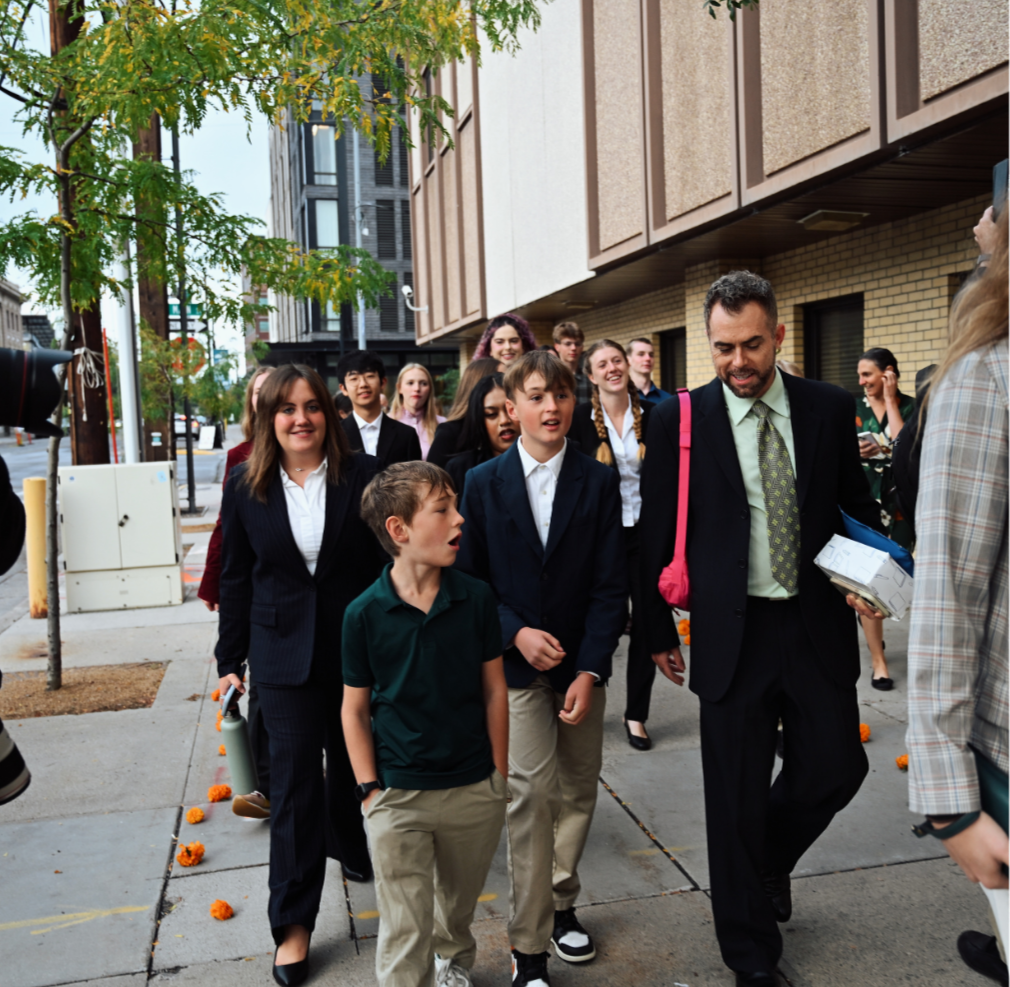
I recently attended the year-end wrap-up webinar from Our Children’s Trust (OCT), and there’s a lot going on! For those who don’t know, OCT is a nonprofit public interest law firm in Eugene, Oregon, dedicated to securing a healthy atmosphere and safe climate for young people. 

Their federal, state, and international lawsuits push governmental bodies to recognize environmental harms, especially as they affect the health and lives of young people. Every case, win or lose, strengthens the next, empowering the young people who have stepped up to be plaintiffs and building a body of testimony from those plaintiffs and expert witnesses, including public health professionals and  climate scientists. An overarching goal of OCT cases is to clarify the government’s constitutional obligation to protect the environment, thereby ensuring the right to life—yes, right to life (and to liberty and the pursuit of happiness)--of our earth’s young people. 

Federal Rollback Jeopardizes South Side’s Fight to Keep Polluting Industries Out

Federal Rollback Jeopardizes South Side’s Fight to Keep Polluting Industries Out

A drive from South Shore to Lakeview reveals a stark truth about Chicago: factories and polluting industries cluster on the South Side, while northern neighborhoods remain largely untouched. This disparity is no coincidence—it stems from decades of racially charged policies that shield white, affluent areas from the burdens of air pollution, waste accumulation, and toxic runoff. 

Local Activism, Global Impact: How Communities Can Drive Climate Action

Local Activism, Global Impact: How Communities Can Drive Climate Action

Climate change can feel like an overwhelming, global challenge—but meaningful progress often begins at the community level. Across neighborhoods and cities, local activists are designing smarter, more connected approaches to environmental action. Today, digital collaboration tools, like those offered by Adobe, make it easier than ever for community leaders to coordinate, document impact, and share their results globally.